


Cat Game - The Cats Collector!
4.621.23K Reviews
App Specs
- Version
- 1.99.1788
- Updated On
- License
- Free
- Downloads
- 5,000,000+
- Developer
- Mino Games
- Categories
- Casual
- Platform
- Android
Screenshots
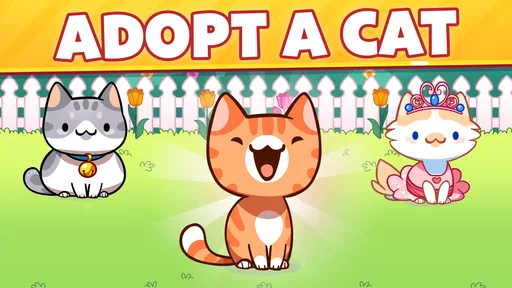
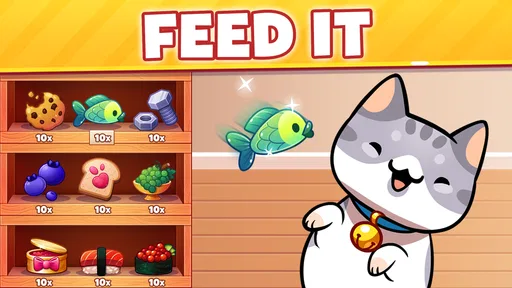
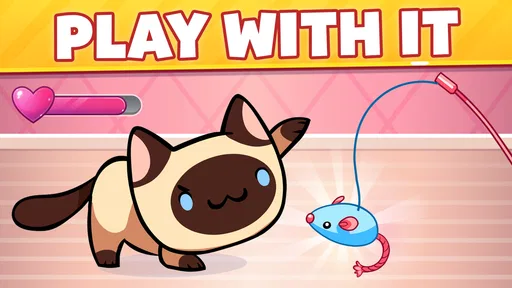
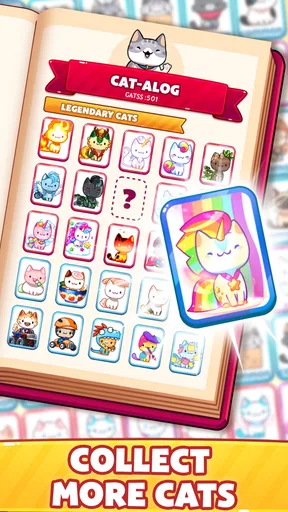
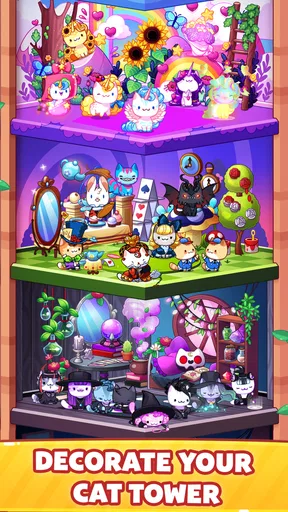
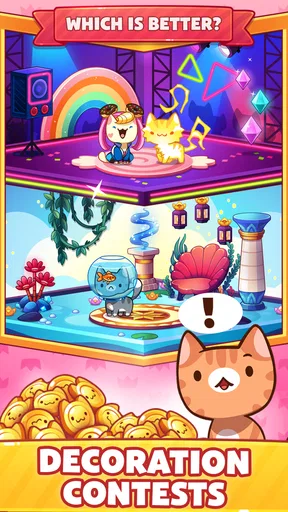

 Analysis by AppCompare
I spent time with Cat Game - The Cats Collector! and found that its main appeal is easy to understand: it turns collecting cute cats into a gentle, repeatable casual game. The important part is not simply having a large collection. It is the way the collection gives each short visit a purpose. I can open the game, check what is happening, work toward another cat, and leave without needing a long uninterrupted session.
That makes it a comfortable choice for people who enjoy light progression rather than demanding reflexes. It is free to play, aimed at Everyone, and comes from Mino Games. The game has reached over 5 million installs, with an average rating of 4.6 from around 92 thousand ratings. Those figures suggest a broad audience, but they do not remove the need to understand its rhythm: this is a collector built around regular attention, not a one-time puzzle game that I finish in an afternoon.
Why the cat-collecting loop works
The strongest capability here is the collection itself. Every new cat gives the game a small emotional reward, while the surrounding activity gives me a reason to keep checking back. I found that this works better than a simple gallery because the collection feels connected to ongoing play. I am not just scrolling through finished items; I am deciding what to pursue next and whether a current event deserves my attention.
The weekly events are especially important to that experience. They give the game a changing focus, so the routine is not always limited to repeating the same collection task. When I return during an event, I have a clearer short-term goal than “collect everything eventually.” That distinction matters. A huge collection can feel overwhelming, while a temporary objective makes the next step more visible.
I would describe the game as a casual collection game with a cozy presentation rather than a strategy title. The cats are the reason to play, and the surrounding systems exist mainly to make finding or obtaining them feel like progress. If you want detailed combat, complex planning, or a story that carries the entire experience, this is probably not the right fit. If you like checking a small virtual world and gradually filling out a themed collection, its central idea is much more convincing.
The practical strength is the short-session design: I can make progress without treating the game like a scheduled appointment. That is useful when I want something relaxing during a break, while waiting for an appointment, or at the end of the day when I do not have the concentration for a competitive game.
What a normal visit feels like
My usual approach is to begin by looking at the current objectives rather than tapping through everything automatically. This helps me decide whether I should spend the visit on general collection progress or focus on the weekly event. That small habit prevents the game from becoming a vague sequence of taps. I always have a reason for the next few actions, even when the overall mood remains relaxed.
Worth Reading Before You Choose

EA SPORTS FC Mobile 26 Is a Bigger Football Game, but It Takes Time

Flipboard Shows What News Apps Must Do Beyond the Feed

Switching to Android Auto Means Rethinking Your Driving Routine

Google Calendar Makes a Crowded Week Easier to Manage

Ludo King Makes the Most of the Minutes Between Plans

Baby Panda World Brings Quick Play to Modern Phones, but Its Game Library Feels Busy
The collection also gives me a useful way to measure progress. Instead of relying only on a level number, I can think in terms of which cats I have already found and which ones still make the collection feel incomplete. For players who enjoy completion goals, that is more satisfying than a purely decorative reward. For players who dislike unfinished lists, however, the same structure can become a source of pressure.
One non-obvious benefit is that the collection can act as a filter for my attention. I do not need to treat every available activity as equally important. I can choose a particular event, work toward a specific missing cat, or simply make a relaxed visit and stop. This makes the game easier to fit around real life than many casual games that constantly push me toward several competing tasks.
I also recommend paying attention to the pace of your own progress before buying anything. The game is free, but it includes in-app purchases ranging from $0.99 to $99.99 per item. That wide range makes it especially important to decide whether a purchase is improving your enjoyment or merely shortening a wait. I get more value from the collection when I let the ordinary rhythm do some of the work instead of trying to accelerate every goal.
Using weekly events without letting them take over
The weekly events are most useful when I treat them as optional themes rather than obligations. If an event matches the kind of cat I want to add, it gives me a strong reason to play that week. If it does not, I can continue enjoying the broader collection instead of feeling that I am missing the entire game. That flexibility is one of the reasons the game remains approachable.
A good routine is to check the event early in a play session, identify the reward or collection direction that interests you, and then stop once the visit stops feeling enjoyable. This sounds simple, but it avoids a common problem in live casual games: turning a relaxing hobby into a checklist. The event structure works best as a source of variety, not as a demand to be online constantly.
There is also a trade-off in the changing schedule. Weekly content can make the game feel more alive than a fixed collection, but it can also make progress feel time-sensitive. Players who enjoy limited goals may appreciate that extra urgency. Players who prefer to play entirely at their own pace may find it less comfortable, especially if they feel compelled to return before an event changes.
For me, the best use is to choose one event-related aim and ignore the rest until that aim is complete or no longer interesting. This keeps the game’s central capability—the cat collection—at the front rather than allowing the event calendar to become the whole experience.
A realistic everyday scenario
Imagine having ten minutes before leaving for work. A fast action game might not be worth starting because a round could demand your full attention. A large role-playing game might take too long to organize. Here, I can open the game, review the current event, make a few collection-focused decisions, and close it when I need to go. The visit still feels complete because I have moved toward a specific cat or checked the state of the collection.
The same pattern works in the evening, although the mood is different. After a busy day, I may not want competition or complicated rules. I can use the game as a quiet routine, especially when the visual theme is more important to me than winning. The collection provides a little anticipation without requiring the intensity of a traditional goal-based game.
Parents and younger players may also appreciate the Everyone content rating, but I would still encourage adults to pay attention to the in-app purchase structure on any device used by children. The friendly presentation makes the game approachable, yet a child may not think about the real value of an optional purchase in the same way an adult does. The safest approach is to establish clear expectations before handing over the device.
Where it differs from other casual games
Compared with a match-three game, the reward here is less about solving a board and more about building a personal set of cats over time. A match-three title is usually strongest when I want immediate interaction and a clear win or loss. Cat Game is better when I want a softer reason to return, with the collection acting as the long-term anchor.
Compared with an idle game, it gives me a more personal target than simply watching numbers rise. The cats make progress feel tangible. I can remember which ones I have collected and think about the shape of the collection as a whole. The downside is that a collector can feel slower when I want constant visible growth. Idle games often provide a stronger sense of automatic momentum, while this game asks me to care about the individual rewards.
It also differs from a conventional pet simulator. I would not choose it if my main wish were to care for one virtual animal in depth. The appeal is breadth: finding and adding many cats is more important than forming a detailed relationship with a single one. That makes it a better match for collectors than for players seeking a focused pet-care experience.
The comparison with other collection games is more subtle. Many collection titles use rarity, competition, or elaborate team building as their main motivation. This one feels more approachable because the cats themselves carry much of the charm. In exchange, players who need deep optimization may find fewer reasons to analyze every decision. The game succeeds when collecting is enough of a reward on its own.
The friction points I noticed
The same repeatable structure that makes short sessions convenient can eventually feel routine. If the act of adding another cat is not satisfying to you, the surrounding loop may not be strong enough to compensate. I would not recommend downloading it expecting a constantly changing game with a dramatic narrative. Its pleasure comes from small returns, not major surprises in every visit.
The event schedule can also create a mild tension between relaxation and completion. A player who wants every available cat may feel pushed to check in more often, while a casual player can simply ignore that pressure. I think the game is healthier when I decide in advance how much attention I want to give it. Without that boundary, optional goals can quietly become chores.
Purchases are another point to consider. The free entry is helpful for trying the game, but the presence of items from $0.99 through $99.99 means that spending can become part of the experience. I would not buy something just because it promises faster progress. Before paying, I ask whether I would still enjoy the cat if obtaining it were slower. If the answer is no, the purchase is probably solving impatience rather than adding lasting value.
Device compatibility is reasonably broad: the game requires Android 5.0 or later. That makes it accessible on older Android devices, although the experience can still depend on the particular phone or tablet. I would keep enough free space available for updates and avoid judging the game solely by a first short visit; its appeal becomes clearer once the collection and event rhythm have had time to develop.
Small habits that improve the experience
My first tip is to set a collection intention before opening the game. “I will check the event” or “I will work toward one missing cat” is more useful than opening without a plan. It keeps the session focused and helps me notice whether the game is genuinely entertaining or merely filling time.
My second tip is to separate curiosity from urgency. A new event can be interesting without requiring immediate maximum effort. I look at what has changed, decide whether it fits my current goal, and then choose a comfortable pace. This is particularly helpful for players who are susceptible to completion pressure.
My third tip is to judge purchases by time saved versus enjoyment lost. Faster progress is not automatically better in a collection game. If the gradual search is the part I enjoy, skipping too much can weaken the reason to return. I would rather spend carefully, if at all, after understanding which part of the loop I actually value.
A fourth useful habit is to use the game as a deliberate break instead of leaving it open as background noise. Because the sessions are easy to repeat, it can become something I check automatically. Choosing two or three intentional visits at suitable moments makes the collection feel like a hobby rather than a stream of interruptions.
Who will get the most from it
This game is a strong match for someone who likes cute themes, gradual collecting, and goals that can be approached in small pieces. It is also suitable for players who want a low-pressure alternative to competitive mobile games. The Everyone rating supports its broad presentation, but the more important question is whether you enjoy collecting for its own sake.
It is especially appealing if you like weekly variety but do not want every event to require expert skill. The events give the routine a changing focus, while the collection provides continuity from one visit to the next. That combination makes it easier to return after a busy day or even after a short break without needing to relearn a complicated system.
I would suggest skipping it if you need a strong story, demanding strategy, direct player competition, or a game that delivers a completely different experience every time you open it. I would also point you toward a traditional puzzle game if you mainly want quick mental challenges, or toward a deeper simulation if you want detailed control over one character or world. Cat Game is deliberately narrower than those options.
The current version is 1.99.1788, and the game was released on July 16, 2019. That history helps explain why its identity is established around a recurring collection routine rather than a brand-new experimental concept. Mino Games has kept the focus clear: the cats are the attraction, and the weekly events help the routine avoid becoming completely static.
My recommendation
I recommend Cat Game to friends who want a friendly, free casual game that rewards returning without demanding long sessions. Its best feature is not merely the number of cats available; it is the way the collection turns a few spare minutes into a small, understandable objective. When I use the events selectively and avoid treating every purchase as necessary, the game feels pleasantly easy to live with.
It is not a perfect fit for everyone. The loop can become repetitive, event timing may create pressure for completion-minded players, and optional purchases require sensible boundaries. Those limitations are real, but they are also connected to the game’s identity. The same simple structure that may bore a strategy-focused player is what makes it comfortable for someone seeking a gentle collecting habit.
For me, the deciding question is simple: do you enjoy the feeling of adding one more charming cat to a growing set? If yes, the game gives that feeling a clear routine and enough event variety to support regular visits. If you need action, deep systems, or a decisive ending, choose another casual game. For a relaxed collector who wants something approachable on Android, Cat Game - The Cats Collector! is worth trying free before deciding how much time, if any, you want to invest.
Pros
- Charming cat designs make collecting and decorating feel rewarding.
- Simple controls are easy to learn for players of all ages.
- Regular events add new cats
- outfits
- and limited-time rewards.
- The relaxing pace works well for short play sessions.
- Decorating rooms provides a pleasant creative outlet.
Cons
- Progress can feel slow without spending premium currency.
- Energy and timers may interrupt longer play sessions.
- Limited-time events can create pressure to check in frequently.
- The amount of in-game currency needed for upgrades adds up quickly.
- Some features require an internet connection to function properly.
FAQs for Cat Game - The Cats Collector!
What is Cat Game - The Cats Collector?
Cat Game - The Cats Collector is a casual collection and customization game where you build a cozy village for adorable cats. You can welcome different feline characters, decorate rooms and outdoor areas, complete simple tasks, and collect resources. Its relaxed presentation, colorful visuals, and short activities make it suitable for players who enjoy light simulation games rather than competitive or action-focused gameplay.
How do you play Cat Game - The Cats Collector?
The main gameplay loop involves collecting materials, completing activities, unlocking new areas, and inviting more cats to your growing community. As your village develops, you can customize buildings and surroundings with decorative items. Progress is generally straightforward, so the game is easy to understand for beginners, although collecting everything and completing longer-term objectives requires regular play and careful management of available resources.
Is Cat Game - The Cats Collector free to download and play?
Cat Game - The Cats Collector can be downloaded and played without paying an upfront purchase price, but it may include optional in-app purchases. These purchases can provide extra resources, special items, or other conveniences that may speed up progress. You can enjoy the basic experience for free, although players who want to unlock content faster should review the purchase options before allowing transactions on their device.
Does Cat Game require an internet connection?
An internet connection may be needed for certain features, including downloading updates, synchronizing progress, accessing events, or using online services connected to the game. Some parts may remain available when you are offline, but this can depend on the current version and device. For the most reliable experience, especially when saving progress or claiming event rewards, playing while connected to the internet is recommended.
Is Cat Game - The Cats Collector suitable for children?
The game has a friendly, non-violent style and simple mechanics that can appeal to children, families, and casual players. However, parents should still check the age rating, privacy information, advertising behavior, and in-app purchase settings before installation. Because optional purchases or external links may be present, enabling parental controls and requiring approval for transactions is advisable when younger players use the app.


